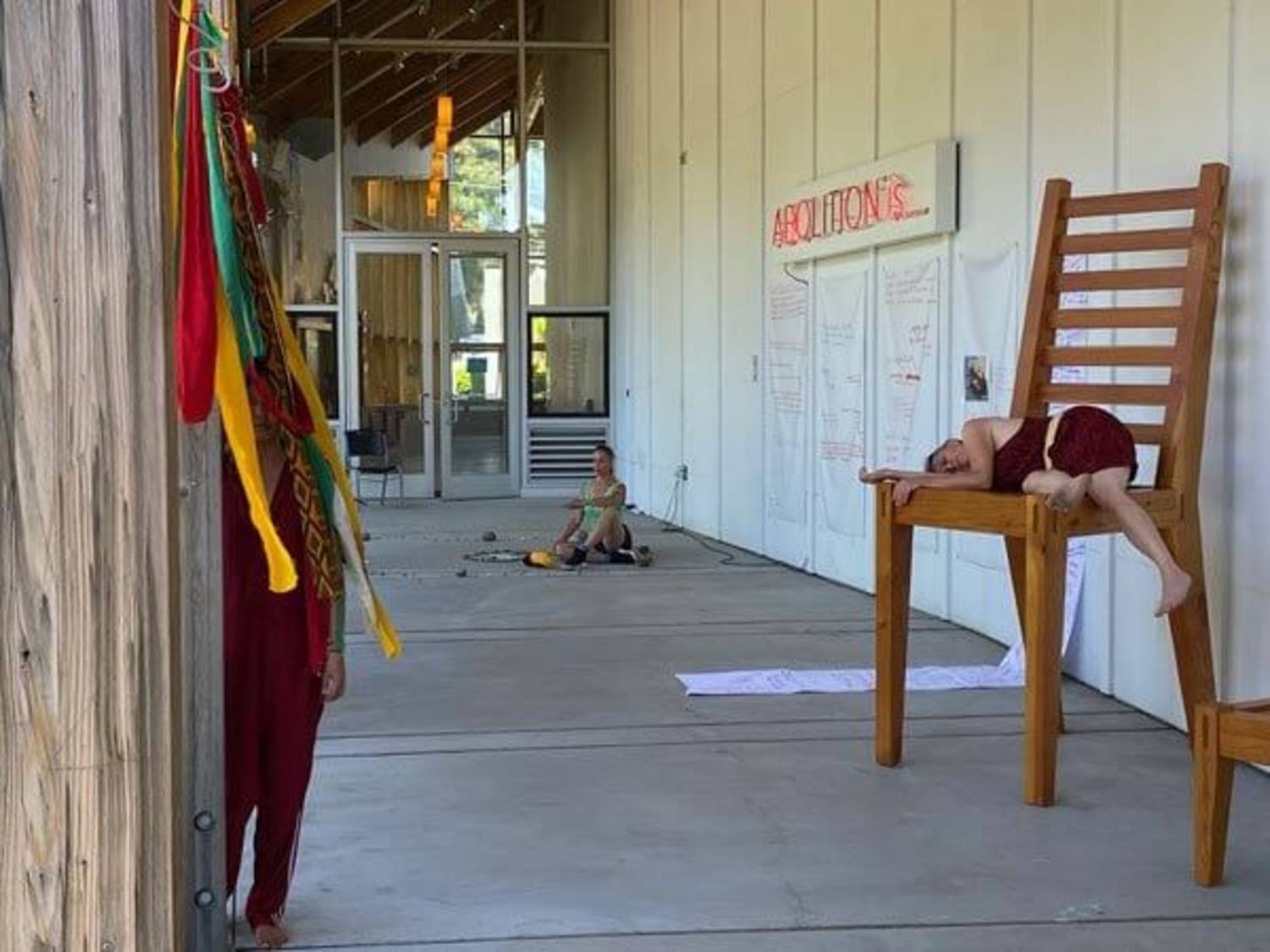
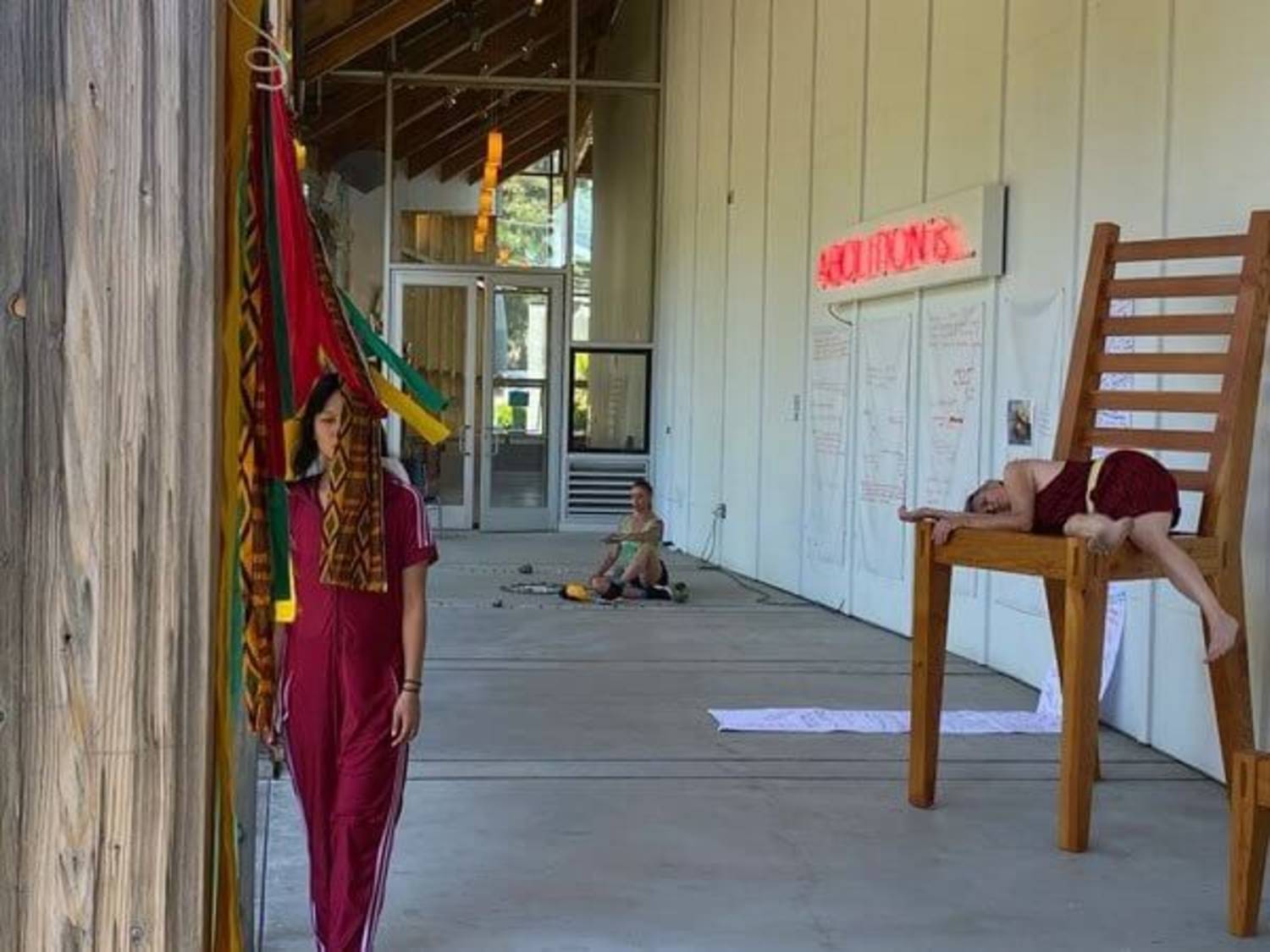
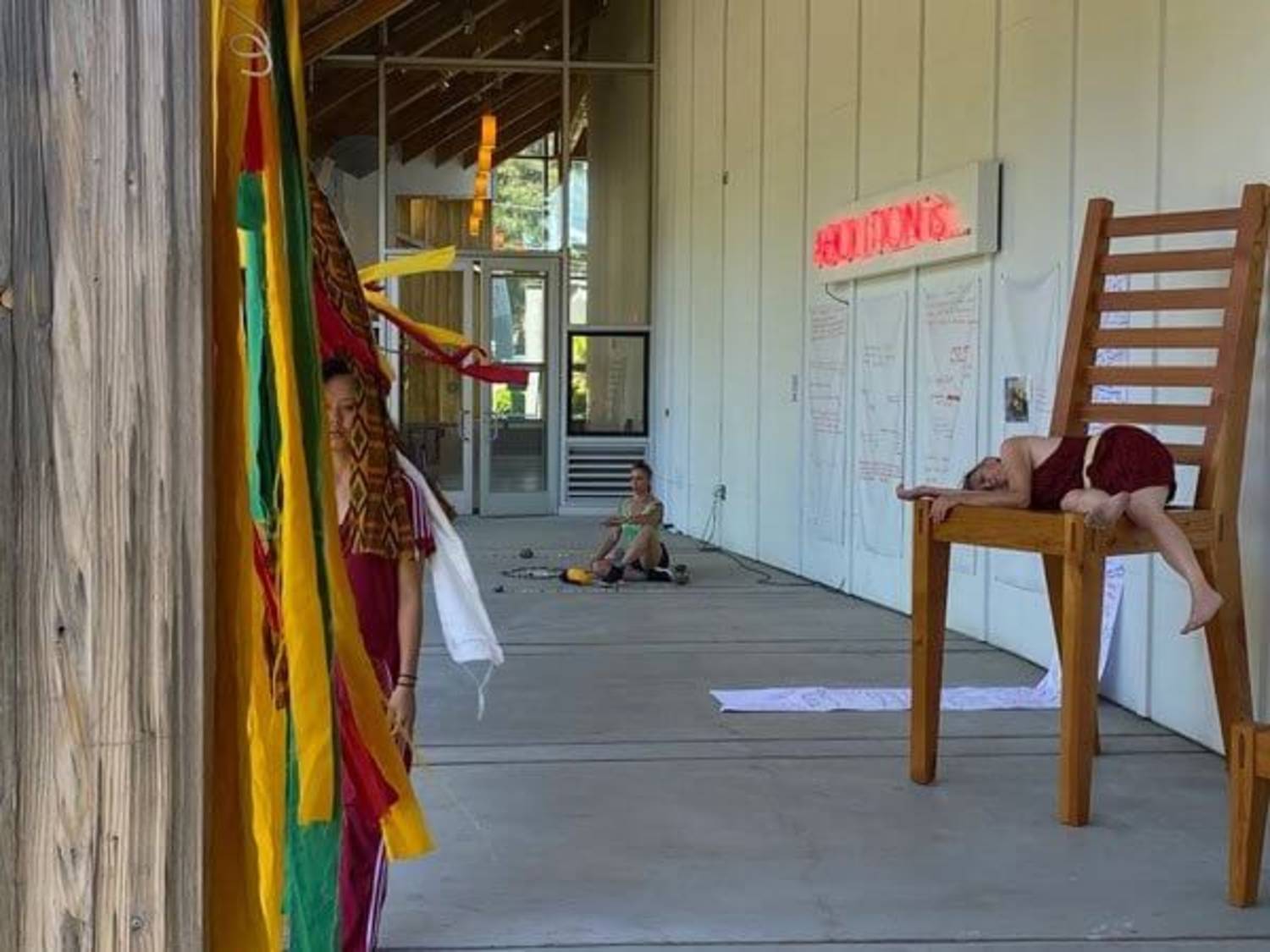
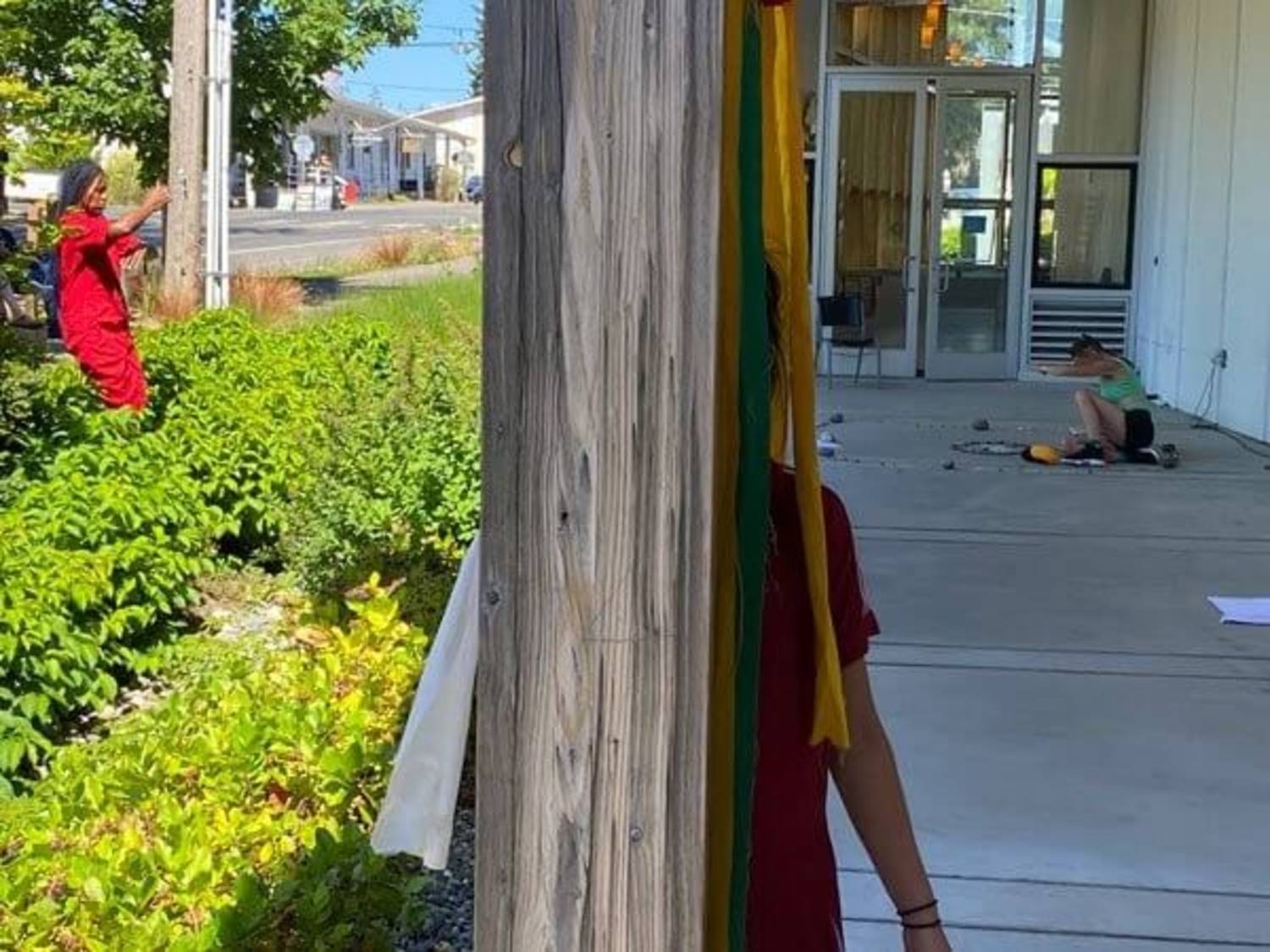
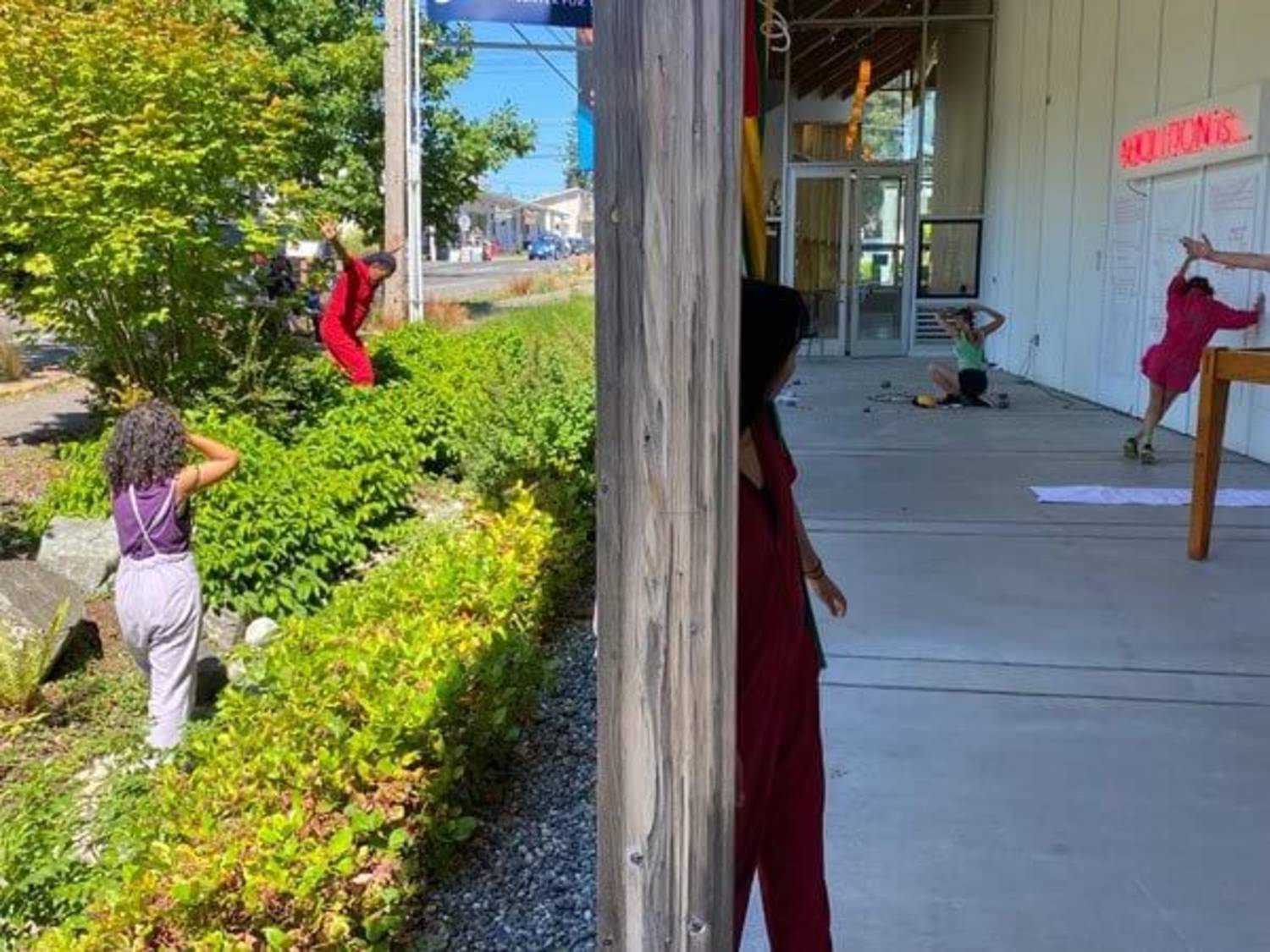
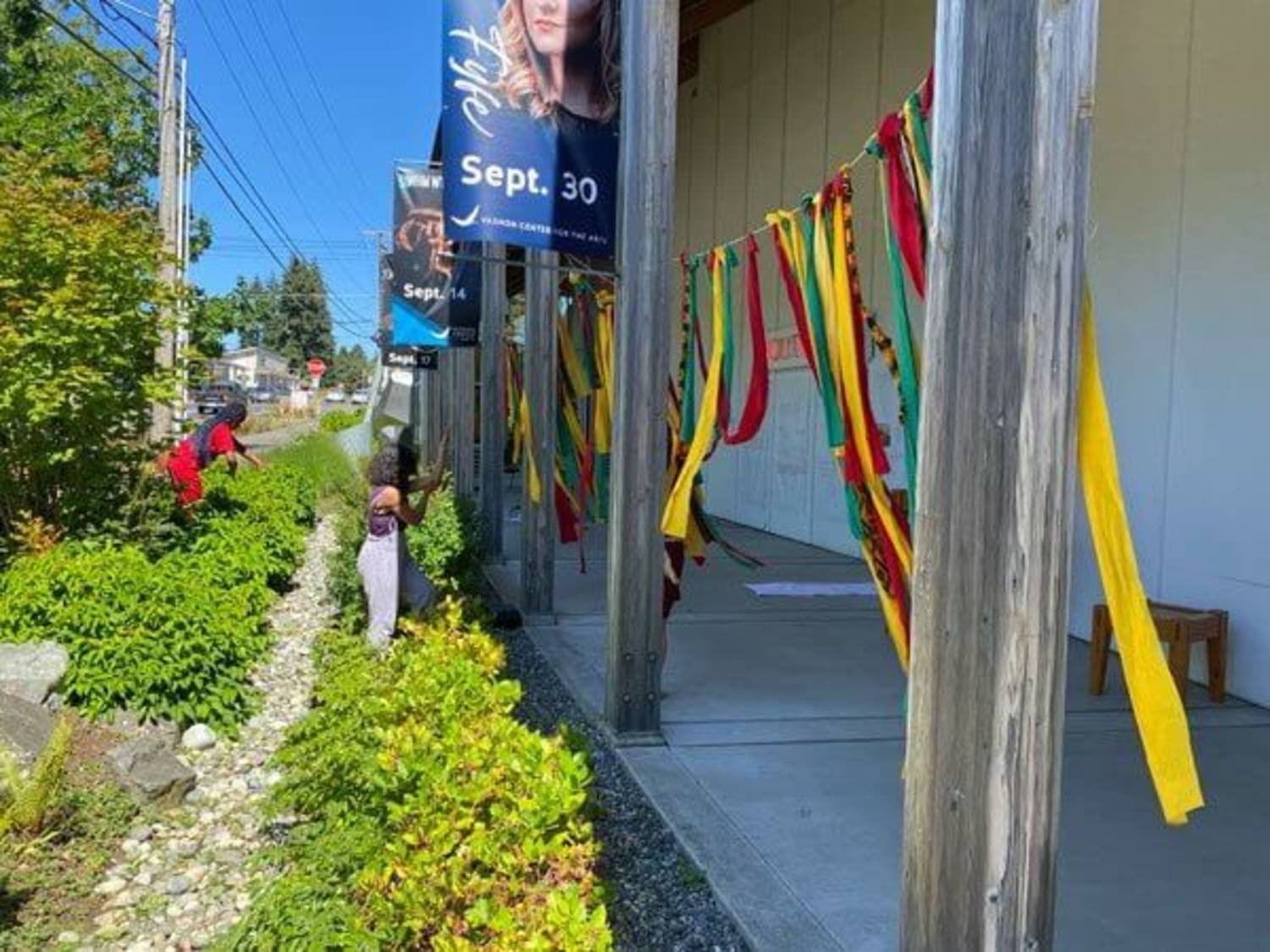
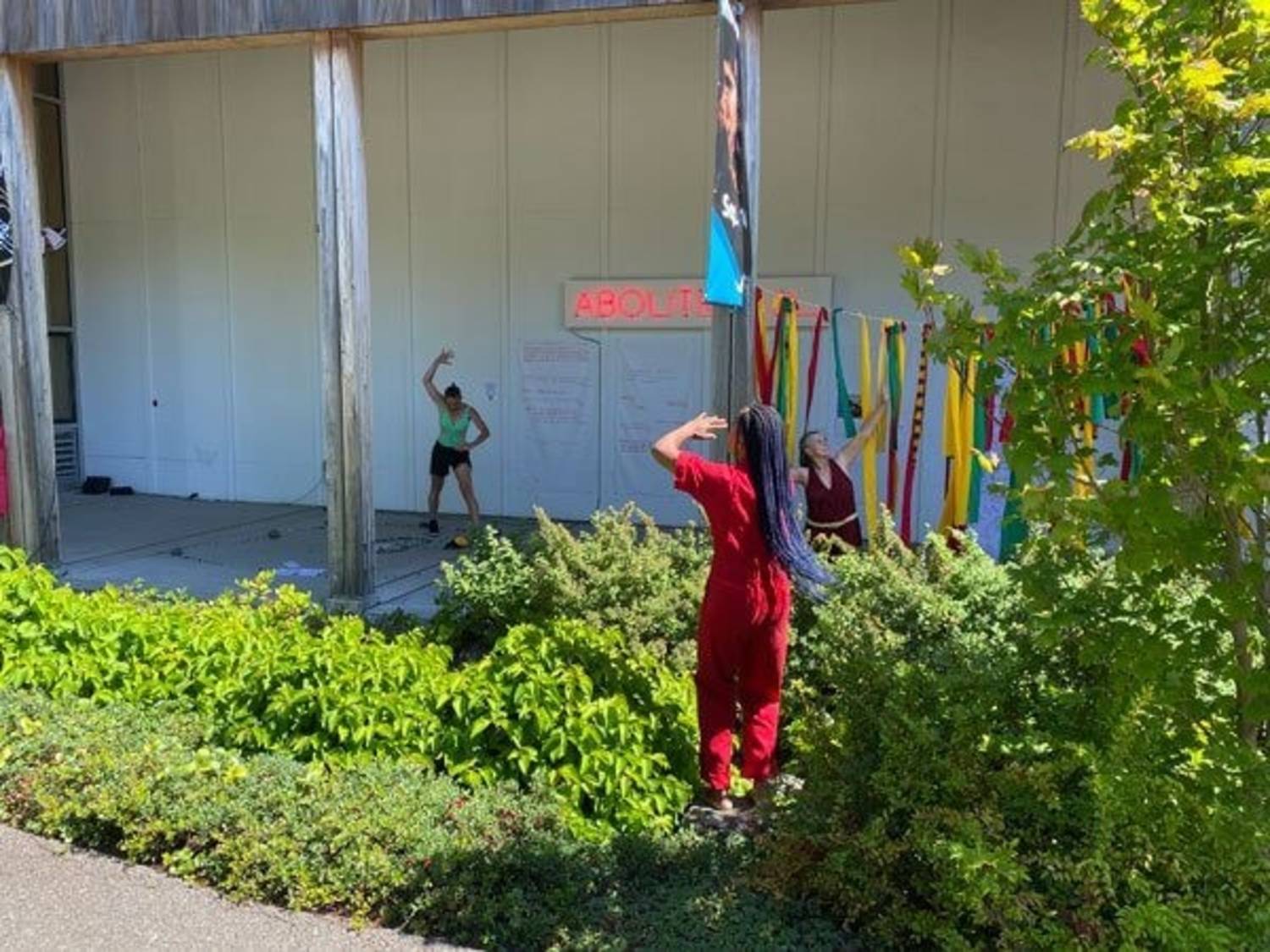
Abolition is non-binary in the broadest, most wide-open sense of the term. It is not either/or, but BOTH/AND. All of us ARE both/AND. The invention within which we live, commonly called the U.S., and the vectors of powers that have shaped it (whiteness, patriarchy, capitalism) have categorized us as this OR that, arranged in a hierarchy. Abolition is losing the grip of this hierarchical set of binaries, expanding our communities as multiple and ourselves as complex, singular, AND multiple too. Abolition is allowing for the multitudes within each of us with love and openness. None of us can ever be fully known AND we seek just that — to connect, to be known, and to know. Abolition is not knowing and stretching into uncertainty with curiosity. Our multiplicity matters — as much as, yet never more than any other human’s or being’s complexity. We are each of us queer and weird somewhere within us — whether we embrace those magical, unique, and human edges and curves or not — Abolition includes embracing the queerness of our own humanness with playful, loving compassion. When we can do this we are able to also see another in all of their dynamic expression, however, they choose to present their singularity. Each of us deserves to be singular and to belong within the collective whole of being. Abolition is saying YES to life-giving alternatives to materialism, extraction, and fossil fuel dependency AND it is making a full-fledged possibility for all who dwell on this planet. Abolition is power with, checking in and checking back, and building coalitions across differences, AND goals and dreams. Abolition is dissent AND humility. It is fluid AND deeply rooted in values for collective liberation. Abolition is learning AND unlearning. It is re-imagining from a full-hearted, brave, AND whole-bodied, playful place of possibility and thriving. Abolition is reading the world with sharp focus, and a critical eye, it is knowing what frames our seeing, what boxes us in— and with courage and clarity asking braver questions that push beyond frames that constrict love, creativity, exploration, justice, and liberation. Abolition is upending what isn’t working and what seems fixed and unmoveable. It is dreaming, reimagining, and making anew. When Ta-Nehisi Coates (2015) wrote the following, I read his as urging an abolitionist mindset: “resist the common urge toward a comforting narrative of divine law, toward fairy tales that imply irresponsible justice. The enslaved were not bricks in your (or anyone of our) road, and their lives were not chapters in your redemptive history… Enslavement was not destined to end”(p.53). Abolition is struggling and sticking with knowing the hard, the nuanced, the mistakes, and difficulties. Abolition is committing to doing one’s own internal work and knowing one’s own past. We equip ourselves to work with inevitable conflicts, tensions, and differences with our whole hearts and minds when we do our own searching with self-compassion. Abolition is asking the most vulnerable people — the tiniest and biggest children, elders, and those furthest from educational, environmental, economic, and social justice what they want and need — and making it happen. Abolition is tangible — the tiniest and biggest children, elders, and those furthest from educational, environmental, economic, and social justice can feel, taste, hear, see, and smell it because they are the central makers, doers, thinkers, players. Abolition is white-bodied humans with the “right” answers, setting those aside completely. AND listening, again and again. Abolition is working internally — AND power-sharing. Abolition is working to repair one’s pain and trauma in healing ways. It is resting for resting’s sake AND for sustained, focused, work for the long haul. Abolition is all of our individual AND collective work. Abolition is for everyone. It is inclusive. It is not a one-time deal.
Jen Lindsay